


-

Add: HeBei ShengShi HongBang Cellulose Technology CO.,LTD.
-

Email
13180486930@163.com -

CONTACT US
+86 13180486930




In the world of modern construction, synthetic fibers have revolutionized the way materials are used, enhancing the strength, flexibility, and durability of various building components. The different types of synthetic fibers available today are engineered for specific uses, making them indispensable in many construction projects. These fibers are often used to reinforce concrete, improve the resilience of building structures, and provide additional benefits like increased fire resistance and weather protection. From polypropylene fibers to long glass fibers , synthetic fibers offer a range of options tailored to different needs. Whether it’s increasing the strength of cement or providing insulation properties, the different types of synthetic fibers ensure that construction projects meet high standards of quality and longevity. In addition to their superior performance, synthetic fibers are often more cost-effective and readily available than traditional materials. This makes them a preferred choice for construction companies aiming to reduce costs while maintaining high-quality results. Furthermore, the environmental impact of synthetic fibers is increasingly being addressed with sustainable production methods, making them a more eco-friendly option for the construction industry. Long Glass Fiber Polypropylene: A Key Ingredient for Stronger Materials One of the standout synthetic fibers in the construction industry is long glass fiber polypropylene . This innovative fiber combines the strength of glass with the lightweight, corrosion-resistant properties of polypropylene. As a result, long glass fiber polypropylene is often used to reinforce concrete and other building materials, providing a significant boost in durability and performance. The inclusion of long glass fiber polypropylene in construction materials helps reduce cracking and improve the structural integrity of buildings and roads. The long fibers create a matrix that distributes stresses evenly across the material, preventing localized damage. This fiber is particularly useful in high-strength concrete applications where additional reinforcement is needed. Moreover, long glass fiber polypropylene is highly resistant to environmental factors like moisture, UV radiation, and temperature changes, making it ideal for both indoor and outdoor construction projects. It is commonly used in applications like paving, drainage systems, and even in the production of prefabricated building components. Its versatility and effectiveness in improving the lifespan and reliability of building materials make it a go-to solution for modern construction needs. Fibre Natural and Synthetic: A Comparison of Strength and Sustainability When choosing materials for construction, understanding the difference between fibre natural and synthetic options is crucial. While natural fibers such as jute, hemp, and cotton have been traditionally used in construction, synthetic fibers like polypropylene, polyester, and nylon have emerged as more durable and cost-effective alternatives. Fibre natural and synthetic materials each have their own advantages, making them suitable for different types of applications. Natural fibers are renewable, biodegradable, and often produced using more sustainable methods, making them a more eco-friendly option. However, they may not offer the same level of strength or resistance to environmental factors as synthetic fibers. On the other hand, synthetic fibers are engineered for durability, offering superior resistance to moisture, heat, and wear. They are often used to enhance the properties of natural materials, making them more suitable for demanding construction environments. For example, natural fibers like hemp may be used in insulation or as a reinforcement material in low-stress applications, while synthetic fibers like polypropylene or polyester are used for high-strength reinforcement in concrete, roofing, and other critical structures. By combining the best of both fibre natural and synthetic materials, construction companies can achieve optimal performance and sustainability. Non-Woven Polypropylene Fiber: A Revolutionary Material in Construction Non woven polypropylene fiber is another essential material that is increasingly being used in the construction industry. Unlike traditional woven fabrics, non woven polypropylene fiber is made from a process that bonds fibers together without weaving or knitting, resulting in a highly versatile material with excellent durability and moisture resistance. This fiber is widely used in applications like drainage systems, geotextiles, and road construction. Non woven polypropylene fiber provides a lightweight yet strong solution for reinforcing construction materials. It is often used in soil stabilization, as it helps prevent erosion and improves the strength of the ground underneath roads, bridges, and buildings. The material's ability to resist moisture also makes it ideal for protecting against corrosion and extending the lifespan of infrastructure. Additionally, non woven polypropylene fiber is environmentally friendly, as it is made from recyclable polypropylene, a material that can be repurposed for various other uses. Its cost-effectiveness, combined with its high-performance qualities, makes it a popular choice for contractors seeking durable and sustainable solutions for their construction projects. S ynthetic F ibers FAQs What are the different types of synthetic fibers used in construction? Synthetic fibers used in construction include polypropylene, polyester, nylon, and glass fibers. Each type is engineered for specific applications, such as reinforcing concrete, improving durability, and providing insulation. What is long glass fiber polypropylene, and why is it important in construction? Long glass fiber polypropylene is a fiber that combines the strength of glass with the lightweight, corrosion-resistant properties of polypropylene. It is essential in construction for reinforcing concrete, improving structural integrity, and preventing cracking. What are the benefits of using natural fibers in construction? Natural fibers , like hemp or jute, offer benefits such as renewability, biodegradability, and sustainability. They are commonly used for insulation and low-stress reinforcement, but may not be as durable or resistant to environmental factors as synthetic fibers. How does non-woven polypropylene fiber differ from woven fabrics? Unlike woven fabrics, non-woven polypropylene fiber is made through a bonding process that does not involve weaving or knitting. This results in a highly durable and moisture-resistant material, commonly used in geotextiles, drainage systems, and soil stabilization. Are synthetic fibers environmentally friendly? While synthetic fibers are often made from petroleum-based products, many are now produced using more sustainable methods. Additionally, materials like non woven polypropylene fiber are recyclable, making them a more environmentally friendly choice in construction. As construction needs evolve, synthetic fibers like long glass fiber polypropylene and non woven polypropylene fiber continue to play a crucial role in enhancing the strength, durability, and sustainability of building materials. If you're in the construction business, investing in these cutting-edge fibers will improve the performance of your projects and contribute to more eco-friendly practices. Visit our website today to explore our wide range of high-quality synthetic fibers and learn how they can transform your construction projects!
- 40000tons

Production
- 20+years

Experience
- 5000+㎡

Acreage

-
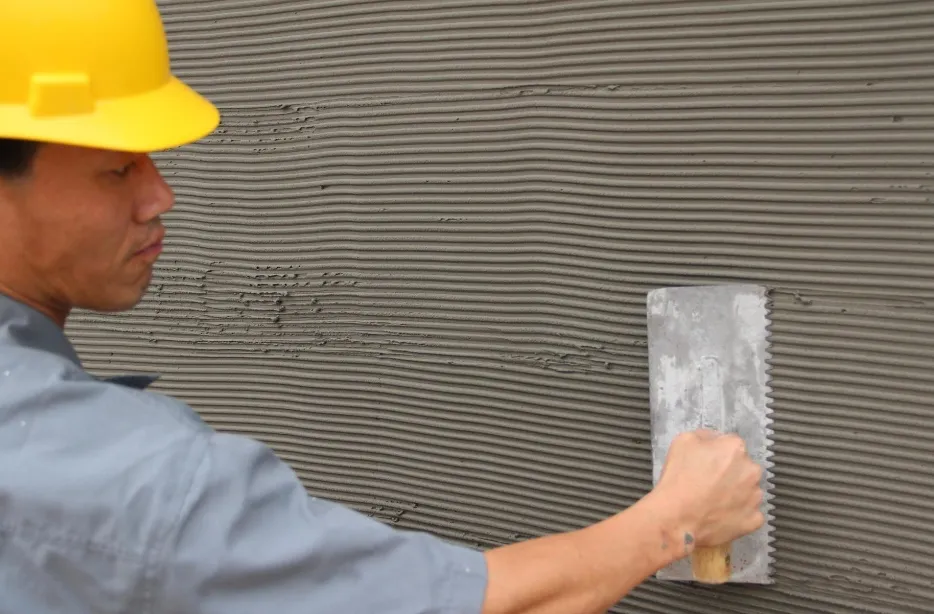
The Versatility of Fiber An Insight into Polyester and Polypropylene In today's world, the significance of synthetic fibers in various industries cannot be overstated. Among these, polyester and polypropylene are two of the most widely used materials, each with unique properties that cater to a plethora of applications. Understanding these fibers is essential, whether you are a consumer, a manufacturer, or someone interested in sustainable practices. Understanding Polyester Fiber Polyester, particularly polyethylene terephthalate (PET), is one of the most common synthetic fibers used in textiles. It was first introduced in the 1940s and has since revolutionized the textile industry due to its diverse functionalities. One of the key properties of polyester is its durability. Fabrics made from polyester are resistant to shrinking, stretching, and abrasion. This makes them ideal for clothing, upholstery, and various industrial applications. The Versatility of Fiber An Insight into Polyester and Polypropylene However, it is essential to consider the environmental impact of polyester production. Traditionally, polyester is derived from non-renewable fossil fuels, contributing to a significant carbon footprint. This has led to innovation in producing recycled polyester, which utilizes post-consumer plastic bottles and reduces waste in landfills. Brands are increasingly adopting eco-friendly practices, catering to the growing consumer demand for sustainable products. fiber ya saruji ya polypropen Exploring Polypropylene Fiber Polypropylene, on the other hand, is a thermoplastic polymer that has gained attention for its lightweight and high chemical resistance properties. First developed in the 1950s, polypropylene has carved a niche for itself, especially in packaging, automotive components, and medical supplies. It is also becoming popular in the textile industry, particularly for non-woven fabrics. One of the standout features of polypropylene is its hydrophobic nature, which means it repels water. This property makes it an excellent choice for outdoor fabrics, geotextiles, and other applications where moisture resistance is crucial. In addition, polypropylene fibers are known for their high tensile strength, making them suitable for products that require durability without added weight. In terms of environmental implications, polypropylene is also produced from fossil fuels, but like polyester, efforts are being made to enhance its sustainability. Biodegradable options and recycling initiatives are making their way into the market, giving consumers a chance to choose products that align with their values. Conclusion Polyester and polypropylene fibers play integral roles in our daily lives, from the clothes we wear to the products we use. While both materials have their downsides—primarily concerning their environmental impact—they also offer remarkable durability, versatility, and functionality. The textile industry is gradually shifting towards more sustainable practices, focusing on both recycling and developing biodegradable options. As awareness of environmental issues continues to rise, consumers will increasingly seek out innovative solutions that reduce our collective footprint while maintaining the benefits of synthetic fibers. The future of polyester and polypropylene fibers lies not just in the strength and durability of the material but also in the commitment to sustainability and responsible manufacturing practices.
-

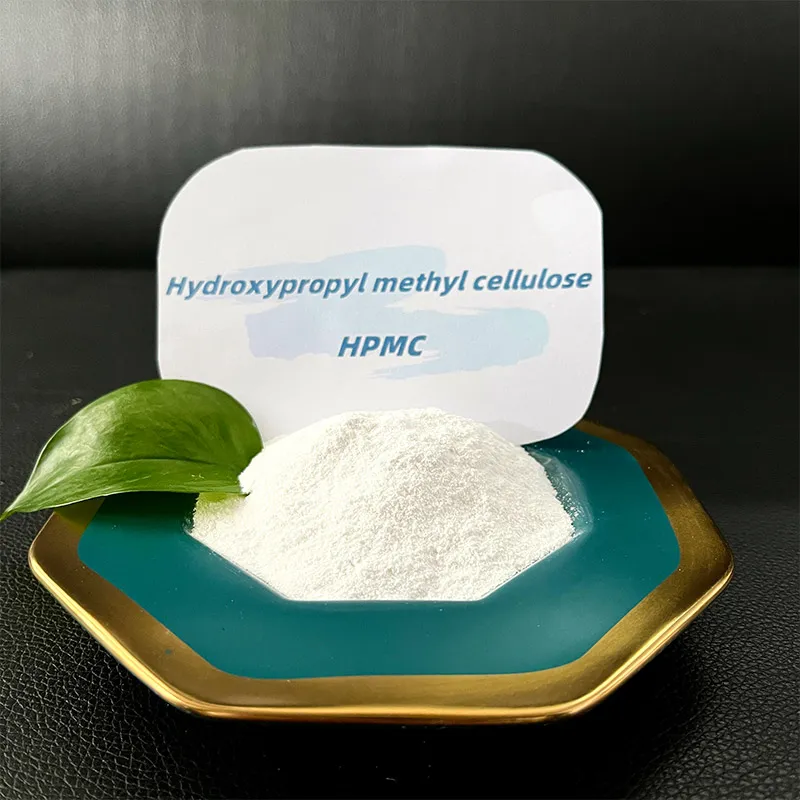
The increasing prevalence of digital device usage and environmental pollutants has led to a rise in eye discomfort, ushering a demand for innovative solutions in ocular health. One such solution garnering attention is the incorporation of Hydroxypropyl Methylcellulose (HPMC) in eye drops . Understanding the experience, expertise, authoritativeness, and trustworthiness associated with HPMC can offer insightful perspectives for consumers and professionals alike. HPMC, a semi-synthetic polymer, plays a crucial role in ocular therapy due to its lubricating and protective properties. It has become a cornerstone in combating symptoms of dry eyes, offering relief from irritation and enhancing comfort. Its efficacy is not based solely on its chemical composition; rather, the real-world experience of users is a testament to its benefits. Regular users report noticeable improvements in moisture retention and a significant reduction in dryness-related discomfort. This positive feedback loop not only establishes trust but also reinforces the credibility of HPMC as a reliable component in eye care products. The expertise surrounding HPMC is supported by a wealth of scientific research and clinical studies. Ophthalmologists and researchers have extensively explored the interaction between HPMC and ocular surfaces. The biocompatibility of HPMC allows it to mimic natural tear film, fostering a moist environment that is conducive to healing and comfort. Clinical trials have demonstrated that patients using HPMC-based eye drops exhibit improved tear stability, a crucial factor in alleviating dry eye symptoms. Such findings heighten professional confidence in prescribing HPMC-infused eye drops, thereby positioning them as a first-line defense in dry eye management. Authoritativeness in the context of HPMC is reflected in endorsements from major health organizations and ophthalmic associations. These endorsements are not arbitrary; they stem from rigorous evaluations and assessments of safety and effectiveness. Healthcare authorities recognize HPMC as a credible and beneficial agent in the formulation of artificial tears. This recognition provides consumers with assurance about the quality and safety of HPMC-based products, ensuring that users are making informed decisions about their ocular health. hpmc in eye drops Trustworthiness is perhaps the most critical component when considering any health-related product. Users of HPMC in eye drops consistently emphasize the consistent quality and safe usage of the product. The trust is further cemented by transparent manufacturing processes and adherence to stringent regulatory guidelines. Manufacturers prioritize safety, ensuring that HPMC eye drops are free from harmful additives and are produced under sterile conditions to prevent contamination. This dedication to safety enhances consumer confidence and loyalty, underpinning the long-term success and acceptance of HPMC in the market. Moreover, the user-centric approach adopted by many HPMC-based eye drop manufacturers contributes to their trustworthiness. Offering access to customer service and incorporating feedback for continuous improvement exemplifies commitment to consumer well-being. When users feel heard and see their feedback reflected in product enhancements, the relationship between consumer and brand becomes symbiotic, driving a cycle of trust and broader adoption. In summary, HPMC in eye drops epitomizes the intersection of experience, expertise, authoritativeness, and trustworthiness. It provides a scientifically backed, user-approved solution to the pervasive issue of dry eyes. Consumers can rely on the safety and efficacy of these products, professionals can confidently recommend them, and authoritative bodies can continue to advocate for their use. By delivering on its promises of relief and comfort, HPMC remains a significant player in the ever-evolving landscape of eye care solutions, ensuring its presence on digital platforms is not only necessary but pivotal for individuals seeking to enhance their ocular health.
advantages
-

200000 Viscosities
Excellent product
We can produce pure products up to 200,000 viscosities
-

40000 tons
High yield
We don’t stop production all year round, and the annual output can reach 40,000 tons
-

24 hours
Quality service
We provide 24-hours online reception service, welcome to consult at any time
———— Inquiry Form
Schedule A services

-
 hpmc_capsule_supplier
Oct . 25, 2025
In the world of modern construction, synthetic fibers have revolutionized the way materials are used -
 hpmc_solubility_in_methanol
Oct . 25, 2025
In the rapidly advancing world of materials science, chemical material rubber powder emerges as a re -
 fiberglass_mesh_for_concrete
Oct . 25, 2025
Hydroxypropyl methylcellulose (HPMC) is a versatile cellulose ether that has gained significant trac


